Open · Collaborative · Commercial research
Where subsurface science meets digital innovation and commercial impact.
OpenPetro is a collaborative research company for the oil, gas and energy resources industry. We bring together leading scientists, engineers and industry partners to create new knowledge, build AI-driven solutions, and turn them into real value.
Three lines, one mission
We advance the science of the subsurface, build the digital tools that put it to work, and deliver it to industry in ways that create lasting value.
Subsurface
- Petrophysics and formation evaluation
- Log interpretation and core integration
- Rock and fluid physics
- Reservoir characterization and management
Digital
- Physics-informed machine learning
- Explainable, uncertainty-aware AI
- Multi-vendor subsurface data foundations
- AI agents and workflow automation
Commercial
- Joint industry projects
- Sponsored research and consulting
- Patents and technology licensing
- Products and new ventures
Our best work happens where the three lines meet: physics-informed AI, expert services and products that subsurface teams use every day.
How we work with you
Operators, service companies and technology providers work with us in the way that fits their problem, budget and need for confidentiality.
Joint industry projects
Several companies co-fund a focused research program and share access to its results.
Sponsored R&D
Confidential research and development on your specific problem, with clear intellectual property terms.
Technology licensing
Validated methods and patents licensed to software companies, service providers and operators.
Independent petrophysical opinions
Fast, defensible third-party petrophysical review for transactions, reserves reporting and disputes.
Learn more →Forensic petrophysics
Root-cause investigation of underperforming wells, missed pay and questionable log data — grounded in physics, accelerated by explainable AI.
Learn more →Training
Hands-on, in-house courses that bring AI into your team's petrophysics, rock physics and geomechanics workflows.
Explore training →Research that moves at the speed of your business
OpenPetro gives you university-level science and senior industry expertise, delivered with the speed, confidentiality and focus of a commercial partner, without the overhead of building your own team.
Cost-effective
You pay for expert time and results, not university overhead or the fixed cost of a permanent team. Fixed-price proposals with clear scope, and joint industry projects that let several companies share the cost.
Fast turnaround
No academic calendar and no hiring cycle. Experts who have solved similar problems before, supported by our own AI and software tools, deliver a first result in weeks, not months.
High-quality deliverables
Physics-grounded methods, not black boxes. Every deliverable is reviewed by senior experts and held to the standards of peer-reviewed research, so you get answers you can act on.
How OpenPetro compares
| Aspect | University | In-house R&D team | OpenPetro |
|---|---|---|---|
| Time to start | Months of contracting; academic calendar | Months to hire and build know-how | Weeks; timelines set by your decisions |
| Who does the work | Mostly graduate students | A few people, a few specialties | Senior experts across petrophysics, reservoir, geology, AI and software |
| Cost | University overhead | Fixed salaries, project or not | Pay per project, no fixed cost |
| What you get | A thesis, paper or research code | Depends on the team you can hire | A tested method, usable tool or decision-ready report |
| IP and confidentiality | Set by university policy; pressure to publish | Yours | Agreed up front; confidential by default |
Notes from the subsurface
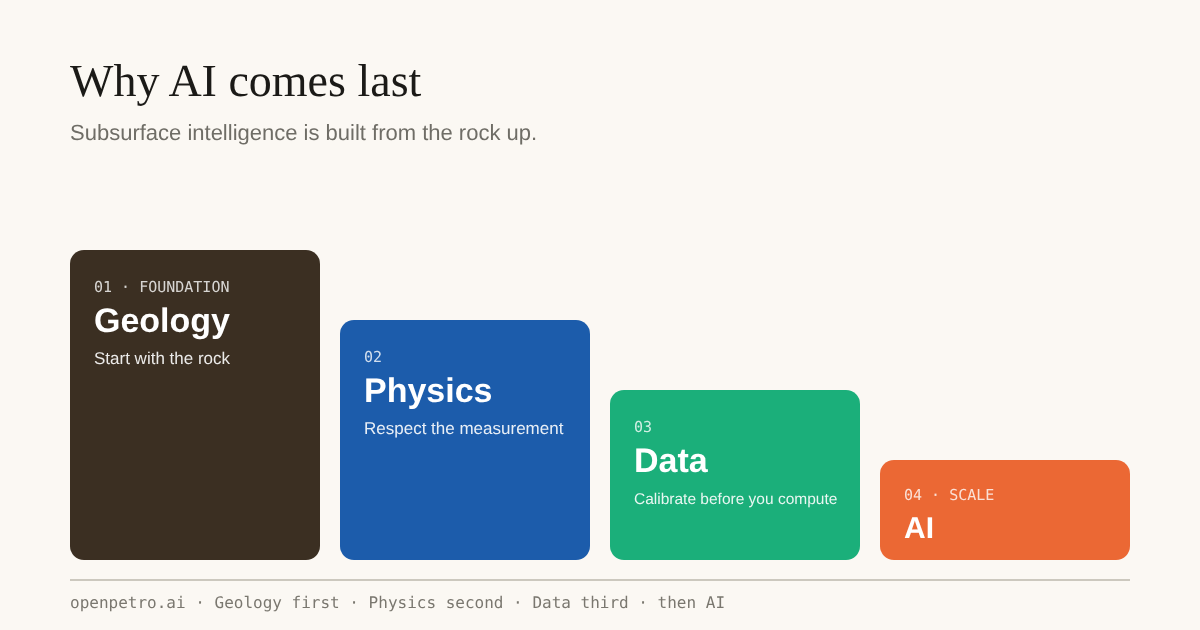
Why AI Comes Last
Most subsurface AI models that fail in the next well fail because of what came before the algorithm: unstated geology, uncorrected physics or uncalibrated data. Why OpenPetro builds subsurface intelligence from the rock up, and puts AI on top.
Read the article →
Shale Volume Is Easy to Compute and Easy to Get Wrong
Pick a clean line and a shale line, done? Five things every junior petrophysicist should know about Vsh, from Ish versus Vsh and GR end points to clay type, plus a free calculator that compares the classic models side by side.
Read the article →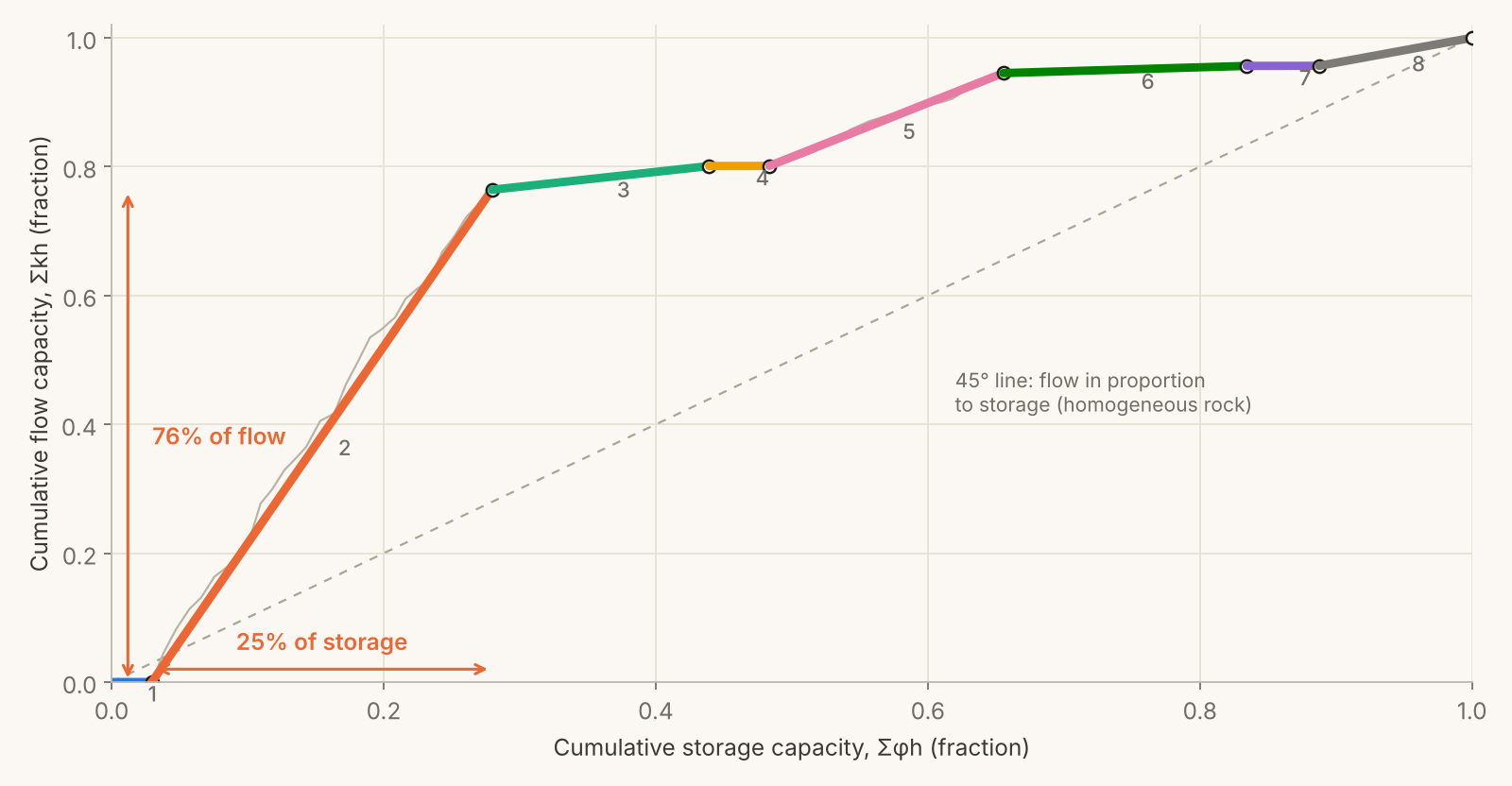
A Quarter of the Rock, Three Quarters of the Flow
In a 162-ft interval at 15% average porosity, one unit holds a quarter of the storage and carries three quarters of the flow. Winland R35, K/φ and the Stratigraphic Modified Lorenz Plot show why, and what it means for waterfloods, landing zones and compartments.
Read the article →Our venture partners
Our work reaches industry through companies built to scale it.
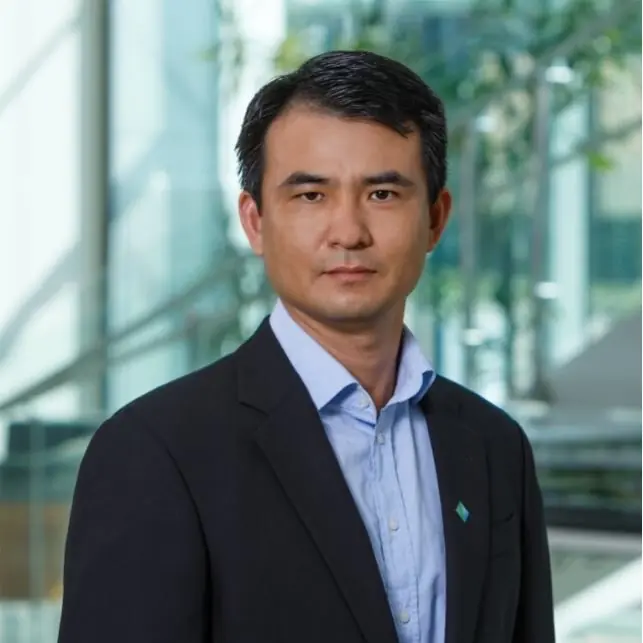
Chicheng Xu, PhD
Chicheng brings about 20 years of experience in petrophysics, formation evaluation and machine learning for subsurface data, with roles at Schlumberger, BP, BHP, Aramco Americas and CNPC USA. He holds a PhD in petroleum engineering from The University of Texas at Austin, building on a background in physics.
He serves as Executive Editor of SPE Journal, VP of Digitalization & Communications on the SPWLA Board, and SPWLA Global Distinguished Speaker. He is also Adjunct Faculty in Petroleum Engineering at the University of Houston and Chief Technologist at PetroStacks AI.
Let's build the future of the subsurface together.
Tell us about your challenge. We reply personally within a few business days.
Researchers and consultants interested in collaborating on projects: tell us about yourself. Fellowship is by invitation.